Opens in a new tab.

BIOMEDICAL INFORMATICS AND CLINICAL AI · EXPERT ADVISOR

Dr. Michael W. Craige

Connecting human disease research, clinical data, and responsible AI.

I’m a biomedical informaticist, clinical AI data scientist, and AI researcher. My work brings scientific inquiry and health data systems together to advance research and patient care.

Founder, PrecohFounding Director, CiDrep SickKids Foundation
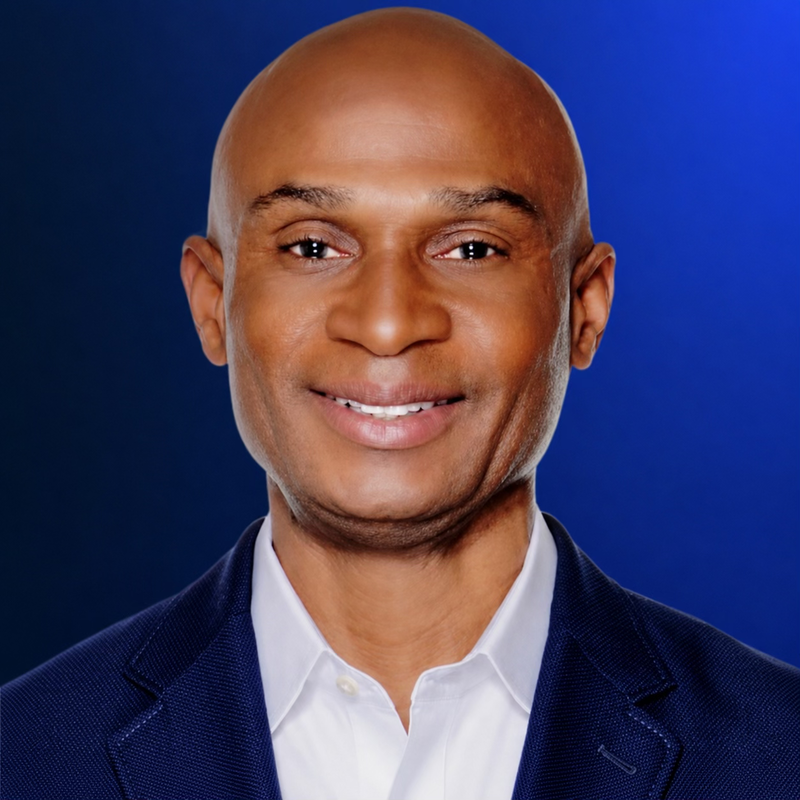
Headshot of Dr. Michael W. Craige wearing a navy blazer and white shirt
Science with a purpose.Research · Leadership · Translation
Coauthored research
published in
Nature CommunicationsScientific ReportsFrontiers in OncologyBlood

01 / About

A career built around
human health.

From molecular mechanisms to the systems that make health data useful.

My work sits at the intersection of biomedical research, clinical data science, and multimodal clinical AI research

I study and work with data across pediatric and adult disease, including epilepsy, cancer, diabetes, and sickle cell disease. The question running through that work is how better use of biological and clinical information can improve our understanding of disease and support better decisions.

Through Precoh, I advise healthcare organizations, academic laboratories, and government health authorities on data platforms, interoperability, governance, and AI evaluation. My current research interests include multimodal foundation models for clinical and biomedical reasoning.

Read the full biography

Dr. Michael W. Craige is a biomedical informaticist, clinical AI data scientist, AI researcher, and founder of Precoh. He works across human disease research, clinical data infrastructure, digital health strategy, and the responsible evaluation of AI.

He previously served as Deputy Director for Medical Informatics and Data Science at the American Society of Hematology Research Collaborative, leading work across clinical data architecture, analytics, governance, and interoperability. The organization’s 2025 Sickle Cell Disease Data Hub Report acknowledges his programmatic and statistical support.

At the Public Health Informatics Institute, a program of The Task Force for Global Health, he supported CDC-funded projects focused on surveillance modernization and electronic case reporting. His work included collaboration across public health agencies, healthcare providers, and health information technology organizations.

His doctoral dissertation at Rutgers investigated gene expression and pathway enrichment after status epilepticus. Subsequent postdoctoral research focused on computational approaches to cancer progression and therapeutic response. He received the 2021 NSF-supported Computing Innovation Fellowship and has coauthored research in Nature Communications, Scientific Reports, and Frontiers in Oncology.

From 2012 to 2020, he founded and managed CiDrep Informatics, serving clients in the United States and Canada. Earlier roles included technical consulting at Cerner Corporation, now Oracle Health, management at Accenture, and consulting engagements at IBM.

He is also the founding director of CiDrep SickKids Foundation, which supports families facing costs associated with serious childhood illness and advances equitable pediatric health research.
02 / Research & practice

Questions that connect
science and care.

My research and advisory work spans disease mechanisms, health data infrastructure, and the evaluation of clinical AI.

Government health advisory

Government Health AI
Sandbox Advisory

Advisory support through Precoh for a government-led healthcare sandbox, covering health-data readiness, interoperability, experiment design, and governance for clinical AI evaluation. Work included translating clinical, technical, and policy requirements into feasible experiments and measurable evaluation plans.

Data readiness · Interoperability · Experiment design · Governance

Disease research

Mechanisms, progression,
and therapeutic response

Computational approaches to understanding disease biology across pediatric epilepsy, cancer, diabetes, and sickle cell disease, with attention to clinical outcomes and precision medicine.

Genomic data · Pathway analysis · Clinical outcomes

Current research focus

Multimodal AI for
biomedical reasoning

A research focus on foundation models that bring together clinical and biomedical information, and on how to evaluate their reasoning, reliability, and suitability for real clinical settings.

Multimodal foundation models · Evaluation · Translation

Health data systems

Useful data across
clinical boundaries

Clinical data platforms, multi-EHR infrastructure, interoperability, and real-world evidence. Experience includes hematology data networks and electronic case reporting for public health.

HL7 & FHIR · Real-world evidence · Data governance

Responsible implementation

AI governance
and clinical evaluation

Helping organizations assess readiness, define evidence requirements, and evaluate AI and digital health technologies within the clinical, technical, and regulatory context in which they will operate.

Readiness · Evidence · Regulatory context

03 / Selected work

Research and
published perspectives.

Selected coauthored papers, a research report contribution, a conference abstract, and policy commentary.

6 selected works

2026

Policy commentary The Regulatory Review

The Governance Gap in Clinical AI

An examination of transparency, institutional oversight, and accountability in clinical AI.

Michael W. Craige · Published 6 August 2026
2025

Research report contribution ASH Research Collaborative

Sickle Cell Disease Data Hub Report 2025

Real-world insights into sickle cell disease burden, treatment patterns, and outcomes across contributing clinical sites.

Acknowledged for programmatic and statistical support · PDF

04 / Research support

Federal Research
Funding

NSF-supported fellowship research in computational biology and precision oncology.

2021 / Fellowship award

Computing Innovation Fellowship (CIFellow)

In 2021, I was awarded a Computing Innovation Fellowship through the Computing Research Association (CRA) and the Computing Community Consortium (CCC), with support from the National Science Foundation (NSF).

Approximate research funding

$380,185 over 3 years

View the 2021 CIFellows class

Research title

Computation Approaches to Predict Optimal Drug Combinations in Prostate Cancer.

Research description

The project aimed to develop new computational biology algorithms to uncover transcriptional mechanisms of resistance to anti-androgen treatment in castration-resistant prostate cancer (CRPC), and identify drugs and drug combinations that inhibit those mechanisms.

Host institution
Rutgers, The State University of New Jersey
Research mentor
Antonina Mitrofanova

05 / Leadership & service

Building systems.
Supporting people.

Scientific work and organizational leadership share the same purpose: making better health possible.

Founder

Precoh

Advisory work at the intersection of clinical data science, digital health strategy, AI governance, and health data infrastructure. Supporting healthcare, research, and government teams as they evaluate and implement responsible innovation.

Explore Precoh
Founding Director

CiDrep SickKids
Foundation

Supporting families of sick children when insurance and other financial resources are exhausted, while advancing equitable pediatric health research.

Visit the foundation

Experience

Across research,
practice, and policy.

  1. Government health advisory

    Government Health AI Sandbox Advisory

    Advisory work through Precoh supporting a government-led healthcare sandbox on data readiness, interoperability, experiment design, and clinical AI evaluation governance.

  2. Hematology & real-world evidence

    ASH Research Collaborative

    Former Deputy Director for Medical Informatics and Data Science, with leadership across clinical data architecture, analytics, governance, and interoperability.

  3. Public health informatics

    Public Health Informatics Institute

    Work on CDC-funded surveillance and electronic case reporting initiatives through The Task Force for Global Health.

  4. Computational research

    Rutgers, The State University of New Jersey

    Doctoral research on gene expression and pathway enrichment in epilepsy, followed by postdoctoral computational cancer research at Rutgers.

  5. Web Laboratory Research

    Emory University School of Medicine

    Laboratory research in the Department of Neurology focused on pediatric epilepsy.

  6. Consulting & entrepreneurship

    CiDrep Informatics · Cerner · Accenture · IBM

    Founder of CiDrep Informatics from 2012 to 2020, building on earlier consulting and management experience across healthcare, technology, and life sciences.

Education & research training

A scientific foundation.
A systems perspective.

Doctoral education

Biomedical and Health Informatics
Rutgers, The State University of New Jersey

Graduate education

Master in Health Services (MHS)
Keller Graduate School of Management

Graduate education

Master of Business Administration
Georgia Institute of Technology

Research training

Computational biology · Genome science · Biomedical sciences
Rutgers, The State University of New Jersey · Icahn School of Medicine at Mount Sinai · Emory · Columbia University

06 / Fellowships & training

Venture Capital and Patent Law Fellowship

Completed fellowships and professional training in early-stage investment, patent drafting and prosecution, and research commercialization.

Venture capital training

SOSV IndieBio New York

Trained in early-stage advanced technology investment, with experience sourcing and funding capital for multinational and community-based institutions. Worked alongside the IndieBio New York team to identify and support early-stage life sciences companies focused on transforming human and planetary health.

IndieBio New York is now SOSV NY.

Patent law training

Harrity Academy

Completed training in patent application drafting and prosecution.

Technology transfer fellowship

Senior Technology Transfer Fellow

Rutgers Innovation Ventures

Awarded the Rutgers Innovation Ventures Technology Transfer Fellowship, with training in intellectual property protection and research commercialization.

07 / Industry credentials

Industry Certifications, Digital Credentialing and Badges

Continuous learning strengthens the expertise I bring to research and practice.

My industry training and certifications complement my academic preparation, published research, and experience across biomedical informatics, clinical data science, and responsible AI. I use continued professional development to keep my technical knowledge current and inform how I evaluate emerging technologies, design health data systems, and advise research and healthcare teams.

My digital credentials and badges are shared through Credly, providing a record of this professional development.

View my credentials on Credly

08 / Connect

Let’s move
good work forward.

For research collaboration, scientific advisory work, or a conversation about responsible AI and health data.